
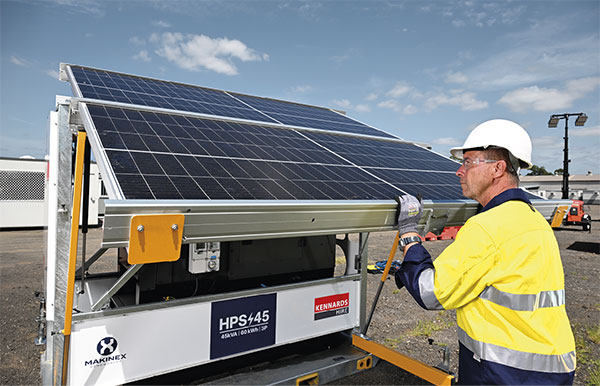
Sustainability is becoming increasingly connected to operational performance, supplier decisions and long-term growth in New Zealand’s construction sector, with environmental, social and governance (ESG) initiatives extending beyond compliance as businesses respond to commercial pressures and changing expectations.
“The growing focus on ESG makes a lot of sense in today’s operating environment. The expectations placed on businesses are changing. Customers, investors and communities increasingly expect organisations to think beyond short-term performance and consider their broader environmental, social and governance impact,” says Kennards Hire New Zealand general manager Richard White.
This year’s Kennards Hire Construction Confidence Check New Zealand (CCC NZ) report surveyed more than 200 construction decisionmakers. It found 84% were confident in the sector’s overall growth and performance over the next five years, with more than a third (37%) identifying sustainability and ESG requirements as one of the leading factors expected to contribute to that growth.
Almost all respondents (99%) reported that their businesses were prioritising ESG initiatives in some form. Among the leading priorities were reducing emissions and working towards net zero (40%), energy efficiency (40%) and supplier ESG performance (39%).
According to report findings, construction businesses are viewing ESG and sustainable building practices not as stand-alone initiatives, but as fundamental components of productivity and long-term growth.
External expectations have also increased over the past decade. The New Zealand Green Building Council estimates the sector contributes around 15% of New Zealand’s total emissions, while disclosure requirements have increased scrutiny of how organisations identify and manage climate-related risks and opportunities.
Businesses are pursuing these priorities in an operating environment that remains challenging. Labour shortages, planning delays, rising costs and tighter customer budgets continue to place pressure, while client and community expectations on sustainability outcomes grow.
“They are looking for solutions such as energy-efficient equipment that can help lower operating costs, sustainable planning to improve productivity and new technology to support environmental performance and project efficiency,” he says.
Supplier relationships form another part of that response. As project complexity and expectations increase, businesses are looking beyond individual equipment purchases to the support available throughout a project.
Some 35% of construction leaders said they planned to partner with suppliers offering end-to-end project management or delivery support over the next 12 months to improve project outcomes and support sustainability objectives.
“This represents a significant evolution for the sector. The conversation is no longer simply about meeting sustainability targets. It is increasingly about building businesses that are adaptable, efficient and equipped to meet future demands.
“Businesses that offer services beyond individual products can help solve challenges, improve efficiency and support better outcomes across an entire project.”
For more information phone 0800 470 370, email info@kennardshire.co.nz or visit www.kennardshire.co.nz/commercial.