
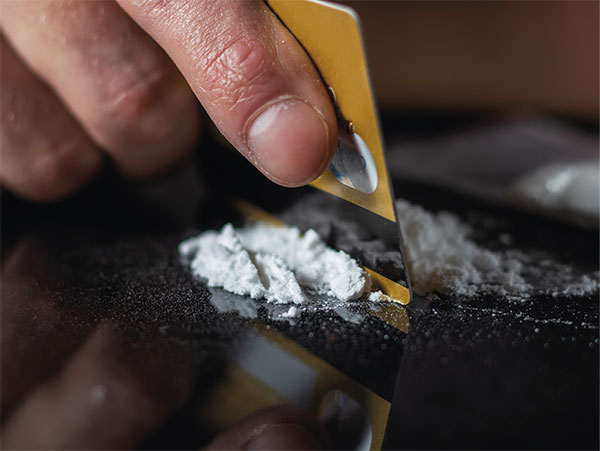
Cocaine is no longer simply a “white-collar drug”, with detections increasing across New Zealand workplaces and the stimulant appearing more broadly in the building industry, according to The Drug Detection Agency (TDDA).
TDDA chief executive Glenn Dobson says the company’s latest Imperans Report showed cocaine detections across all industries increased 68.5% year-on-year nationwide.
Dobson says the increase is a concern for building companies because stimulants can affect judgement, contribute to overconfidence and lead people to underestimate risk.
In safety-sensitive environments, where workers may be operating heavy machinery or making critical decisions, the consequences can be serious.
A near 70% increase means managers and supervisors need to understand how to recognise potential signs of drug use and what steps to take, Dobson says.
TDDA provides employee education and advanced drug awareness training, which covers drug-related risks and behavioural signs that may indicate stimulant use, including overconfidence and agitation.
The training also covers how managers should document observations and respond to information appropriately, helping businesses follow their drug and alcohol policies and reduce potential legal risks.
Dobson says testing is the next step when a potential issue has been identified, providing evidence on which a business can base subsequent action.
He says the accuracy of testing and how it is conducted are important, with poor testing methods, low-quality equipment and unqualified testing processes potentially producing unreliable results.
A false negative could result in an impaired worker returning to safety-sensitive duties, while an incorrect result could have serious employment consequences for an employee and expose an employer to legal challenge.
Dobson says drug and alcohol testing should form part of a wider workplace health and safety system, beginning with a company-wide policy that is clearly communicated and consistently applied.
He recommends businesses use an independent, accredited testing provider rather than relying on DIY testing kits or unaccredited suppliers, where the reliability of results may be open to challenge.
“Construction sites carry particularly high consequences when impairment affects judgement or reaction times. Training can help managers recognise potential warning signs, while testing provides information needed to determine what action should follow,” adds Dobson.
Together with an effective drug and alcohol policy, TDDA says these measures can help protect workers and businesses.