
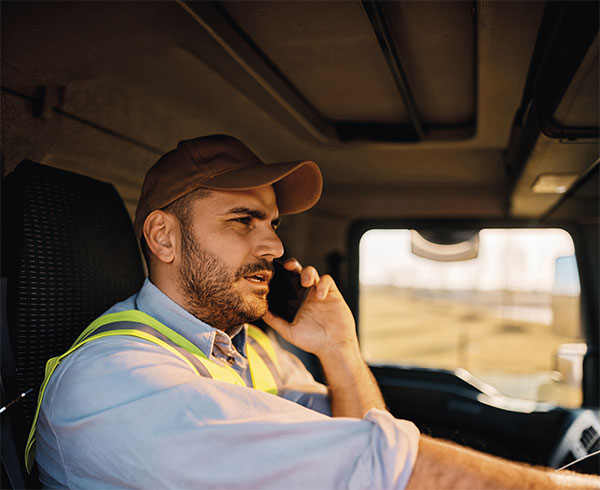
A recent hit-and-run incident in semi-rural Auckland, where two dog-walkers were struck by an SUV whose driver was on a Zoom call, has reignited industry concerns about mobile-phone distraction behind the wheel, with commercial fleet operators increasingly under pressure to address the risk.
For sectors such as building and construction, where supervisors, contractors and service teams spend long hours travelling between sites, managing distraction is becoming a growing safety and liability issue for fleet operators.
Mobile-phone distraction remains one of the biggest risks for drivers. Waka Kotahi data shows that in the past three years 283 drivers involved in fatal or injury crashes were distracted by a phone, accounting for around one in ten drivers who lost focus at the wheel.
Surveys show nearly 40% of New Zealanders admit to sending or reading text messages while driving, while around 20% check social media while on the move.
Charles Dawson, chief executive of AutoSense, says the Auckland crash highlights how easily distraction can turn deadly.
“You can tell drivers not to touch their phones, but habits are powerful,” Dawson says. “Technology is the only way to take temptation and multitasking out of the equation and make safety automatic.”
AutoSense has introduced LifeSaver Mobile to New Zealand and Australian fleets, a distracted-driving solution that uses a phone’s GPS to automatically detect when a vehicle is moving and block unauthorised phone use.
The system requires no in-vehicle hardware and can be deployed across hundreds of drivers in a single day using a mobile device management system.
Designed for both Android and iOS devices, LifeSaver Mobile provides a secure web portal where organisations can set enforcement policies and manage exceptions. Professional drivers can still access navigation and dispatch applications through pre-approved whitelisting, while other apps are automatically locked when the vehicle moves.
Because the platform is software-based, it can scale from smaller fleets to large national operations.
In New Zealand, AutoSense already manages nearly 6,000 vehicles equipped with Guardian by Seeing Machines driver-monitoring systems. Last year those cameras identified 14,575 verified mobile-phone distraction events, accounting for 28% of all distraction incidents detected between July 1, 2024 and June 30 last year.
“Commercial fleets are under constant pressure, managing fatigue, tight schedules and compliance obligations,” Dawson says.
“This is one area where technology genuinely makes life easier and roads safer for everyone.”
Under New Zealand law it is illegal to hold or use a mobile phone while driving, with a $150 fine and 20 demerit points for offenders. Dawson says the real cost is far greater.
“A moment’s distraction can change lives forever. None of us are immune to that risk.”