
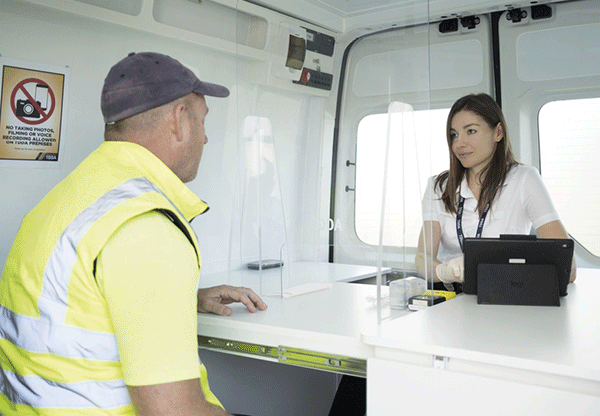
Since 2022, The Drug Detection Agency (TDDA) has seen alcohol detections rise significantly, with the detection rate nearly doubling during the 2022 and 2023 holiday periods. Traditionally, positive detections reduce after December and January,says TDDA, but initial testing results show a worrying trend. The increase in detection has yet to subside, holding steady with a 13.8% increase over the last two years.
“Imperans is New Zealand’s largest private database of workplace drug and alcohol testing results and we’ve observed a persistent rise in alcohol detections. TDDA has seen higher detection levels surpass the holiday season. There’s a longer tail on the issue, and it’s becoming a regular trend. We’re flagging the increased alcohol use with our clients as well as the wider business community, so everyone is aware of the increased workplace risk,” says Glenn Dobson, CEO, TDDA.
While data shows a marked increase in positive detections, anecdotal evidence indicates a range of issues causing the substance to extend from home to work. Stresses at home, mental health issues and financial and inflationary pressures have been cited as triggers for use. Given the upward trend, companies are encouraged to review their current substance policy, also known as a drug and alcohol policy, to ensure it remains current, fit for purpose and legally robust.
“More and more people tested are showing signs of alcohol in their system, which represents a real issue for Kiwi businesses to manage. While it’s hard to draw causal lines between workers’ behaviour and alcohol issues, anecdotally, TDDA is hearing that traditional dependence issues are being inflamed by factors like mental health issues as well as financial pressures,” says Dobson.
Understanding alcohol issues, establishing a cohesive drug and alcohol policy, and training and education are important for maintaining a safe and productive workforce as well as compliance with the Health and Safety at Work Act 2015 (HSWA). Alcohol issues can lead to tardiness and frequent absences, a decline in performance, behavioural issues and mood swings, poor decision making, safety issues, injuries and even death.
TDDA recommends the following testing methods for alcohol detection:
• Breathalyser: the same technology used by roadside police to demonstrate presence. Primarily used in mobile testing clinics for on-site screenings and spot testing.
• Alcohol hair testing: a hair sample collection that is used to demonstrate lifestyle alcohol use. Primarily used for court-ordered testing or pre-employment screening of professional job applicants.